Concrete Retaining Walls in Mesa, AZ
Retaining walls hold back soil, manage elevation changes, and prevent erosion on properties with sloped terrain. Botta's Concrete Construction builds concrete retaining walls for residential and light commercial properties across Mesa and the East Valley — with proper drainage, base preparation, and reinforcement for Arizona soil conditions.
What's Included in a Retaining Wall Project
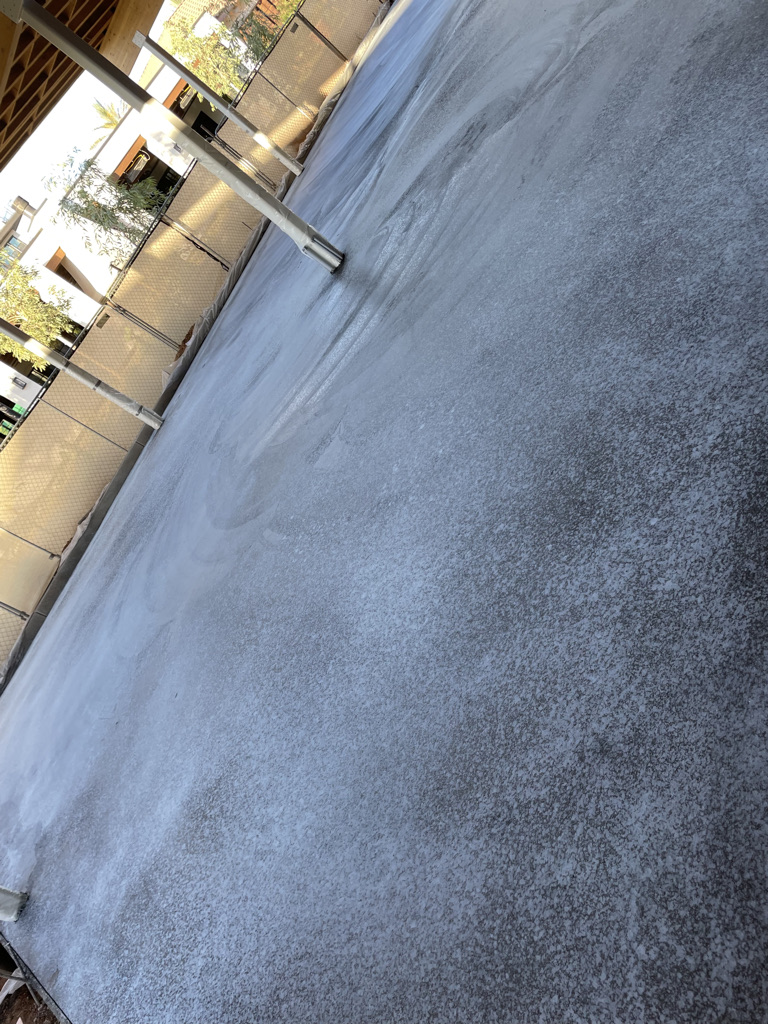
A retaining wall project with Botta's includes excavation and site preparation, base compaction, forming, reinforcement (rebar where required), the concrete pour, finishing, and drainage installation. Drainage behind the wall — typically gravel backfill and weep holes or drain pipes — is critical to prevent hydrostatic pressure buildup that can cause wall failure.
What's not automatically included: engineering stamps for walls exceeding certain height thresholds, permitting (varies by municipality), soil testing for hillsides with known instability, and landscape restoration above and below the wall. These are identified during the site visit and addressed as needed.
When a Retaining Wall Is the Right Solution
Retaining walls are used when a property has elevation changes that need to be managed: sloped yards being terraced for usable space, hillside erosion control, foundation walls on walkout basements, landscape grade separation between properties, and preventing soil movement toward driveways or structures.
A retaining wall is the right solution when soil is actively moving, when grade changes are too steep for natural slope, or when usable flat space needs to be created on a sloped lot. When the slope is gentle and erosion is minor, other solutions — like regrading or ground cover planting — may be more appropriate.
What Drives Retaining Wall Cost
The main cost drivers for a concrete retaining wall are: wall length and height, excavation volume and soil disposal, base preparation depth, reinforcement requirements (rebar spacing and diameter), concrete volume, drainage system complexity, access for equipment and concrete delivery, and finish type (plain, textured, or stamped).
Wall height is the single biggest cost variable. Walls under 4 feet are typically straightforward. Walls over 4 feet often require engineering, permits, and significantly more reinforcement — which increases both material and labor costs substantially.
Drainage and Retaining Wall Longevity
The most common cause of retaining wall failure is inadequate drainage. When water builds up behind a wall with no path to escape, hydrostatic pressure pushes against the wall with enormous force — eventually causing leaning, cracking, or collapse.
Botta's installs proper drainage behind every retaining wall: gravel backfill, filter fabric to prevent soil migration, and weep holes or drain pipes to channel water away from the wall. This is not optional — it's essential engineering that determines whether a wall lasts 5 years or 50.
Concrete vs. Other Retaining Wall Materials
Concrete retaining walls offer maximum structural strength and longevity compared to alternatives. Block walls (CMU) are versatile and cost-effective for moderate heights. Poured concrete walls are the strongest option for tall walls and heavy load conditions. Stamped or textured concrete walls can mimic stone or masonry aesthetics.
For most residential applications in Mesa, poured concrete with a simple or textured finish provides the best combination of strength, durability, and cost. Decorative finishes are available for walls visible from outdoor living areas.
Common Questions — Concrete Retaining Walls in Mesa, AZ
Related Services
System Connections
Ready to Plan Your Concrete Project?
Tell Botta's Concrete Construction what you're working with. We'll review your details and reach out with next steps — no pressure, no mystery pricing.