Trench Pour Back in Mesa, AZ
After utility lines, plumbing, or electrical conduit are installed underground, the trench needs to be filled — and filled correctly. Botta's Concrete Construction handles trench pour back work for residential and light commercial properties across Mesa and the East Valley, ensuring the fill is compacted properly and the surface above is restored to grade.
What Is a Trench Pour Back?
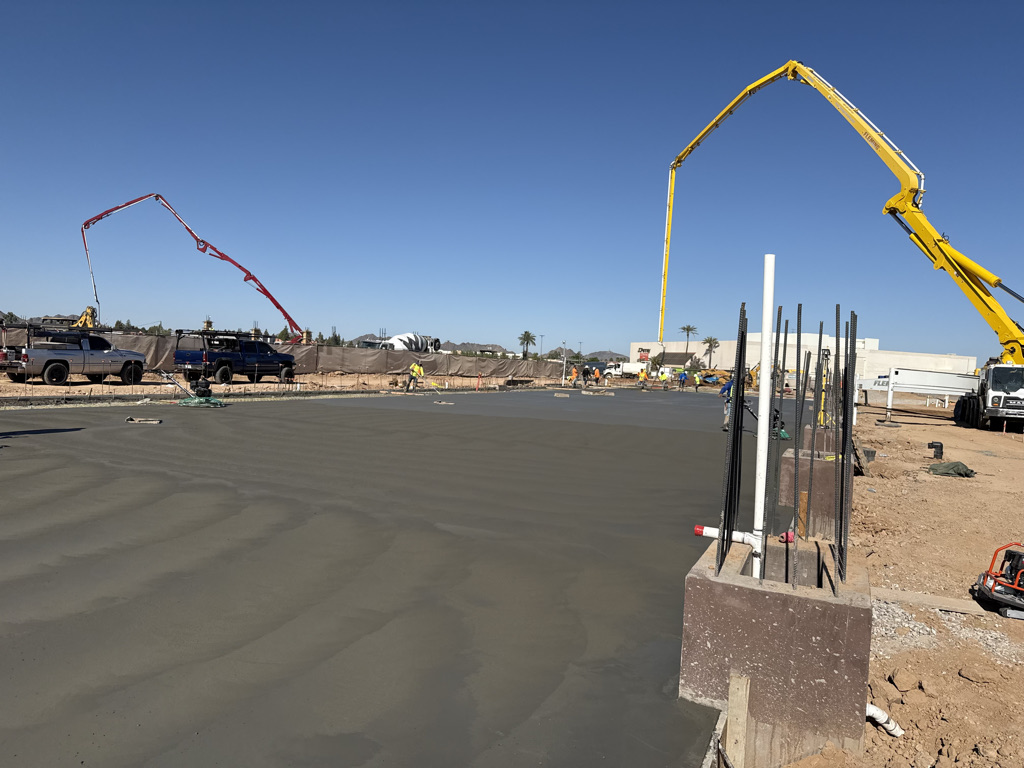
A trench pour back is the process of filling an excavation trench with concrete after underground utilities, plumbing, or electrical lines have been installed. The concrete fill provides structural support above the utility line, prevents future settling, and restores the ground surface to its original grade.
Pour back is different from backfilling with dirt or aggregate. Concrete pour back creates a stable, non-settling fill that won't compact over time and create a dip or depression in the surface above — a common problem with soil backfill in Arizona clay conditions.
When Trench Pour Back Is Needed
Common scenarios where trench pour back is required include: plumbing line installation or replacement under driveways and sidewalks, electrical conduit runs under concrete surfaces, utility line repairs that cross existing flatwork, foundation trench fills, and irrigation line crossings under hardscape.
Any time a trench crosses under or through an existing concrete surface — a driveway, sidewalk, patio, or slab — pour back with concrete is the standard approach to prevent the surface from settling or cracking above the trench line.
What Drives Trench Pour Back Cost
The main cost drivers for trench pour back are: trench length and depth, the volume of concrete required, access for concrete delivery (pump truck vs. direct pour), whether existing concrete needs to be removed and replaced above the trench, compaction requirements, and whether utility lines need to be protected with sand or fill sand before the concrete pour back.
Trenches under existing driveways or sidewalks typically require saw-cutting and removing a section of concrete, installing the utility, pouring back the trench, and then patching or replacing the surface concrete. These are priced as separate line items.
Arizona Soil and Trench Pour Back
Mesa's expansive clay soils create specific challenges for trench work. When clay is excavated and exposed to air and moisture, it changes volume — swelling when wet and shrinking when dry. This movement can compromise both the utility line below and the surface above if the pour back isn't done correctly.
Botta's addresses this by ensuring proper bed preparation for utility lines, using the right concrete mix for the application, and managing the pour timing so the fill sets properly before surface loads are applied. In summer heat, the curing window for pour back work is shorter — scheduling is adjusted accordingly.
Pour Back vs. Soil Backfill
Soil backfill is less expensive but settles over time — especially in Arizona clay. As soil compacts and shifts, the surface above sinks, creating trip hazards in walkways, dips in driveways, and cracks in patios. This settling often appears months or years after the trench was filled.
Concrete pour back costs more upfront but eliminates settling. For trenches under any surface that bears weight — driveways, walkways, patios, or slabs — concrete pour back is the long-term solution. For trenches in non-load-bearing landscaped areas, soil or aggregate backfill may be sufficient.
System Connections
Ready to Plan Your Concrete Project?
Tell Botta's Concrete Construction what you're working with. We'll review your details and reach out with next steps — no pressure, no mystery pricing.